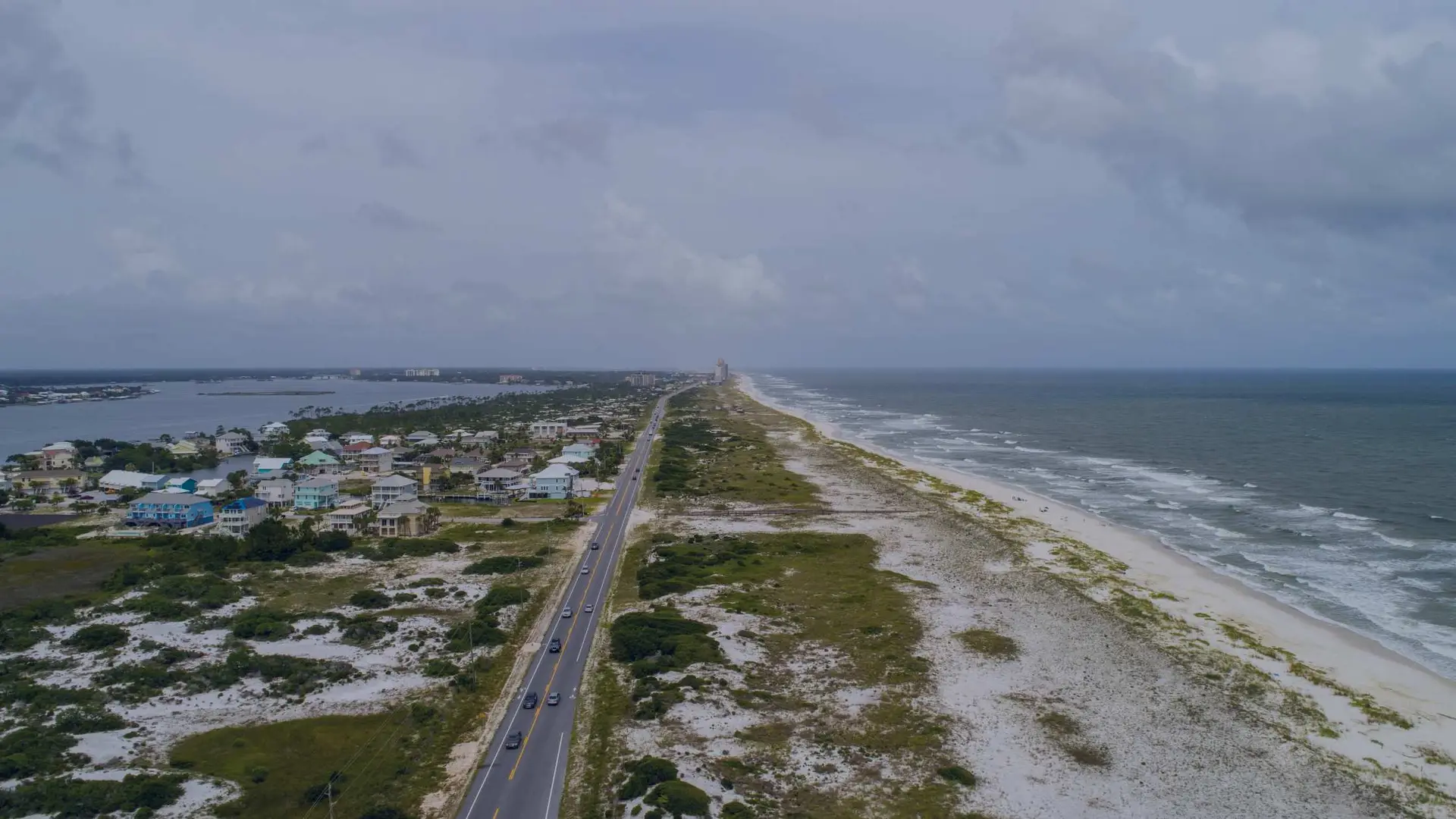
Every June, Gulf Coast homeowners start watching the tropics a little more closely — and for good reason. Hurricane season runs from June 1 through November 30, with peak activity from mid-August through mid-October. If you’ve lived in Baldwin County through a Sally or a Zeta, you already know the drill. If you’re one of the county’s many newer residents, this is the guide we wish someone had handed us.
Here’s the truth most people learn the hard way: the time to prepare is not when a named storm appears in the Gulf. By then, the plywood’s sold out, the contractors are booked, and you’re doing in a panic what should’ve been done in the calm. This checklist walks you through what to handle before the season, what to do when a storm is coming, and — the part most guides skip — what to do in the days after, when the real risks (and the scams) show up.
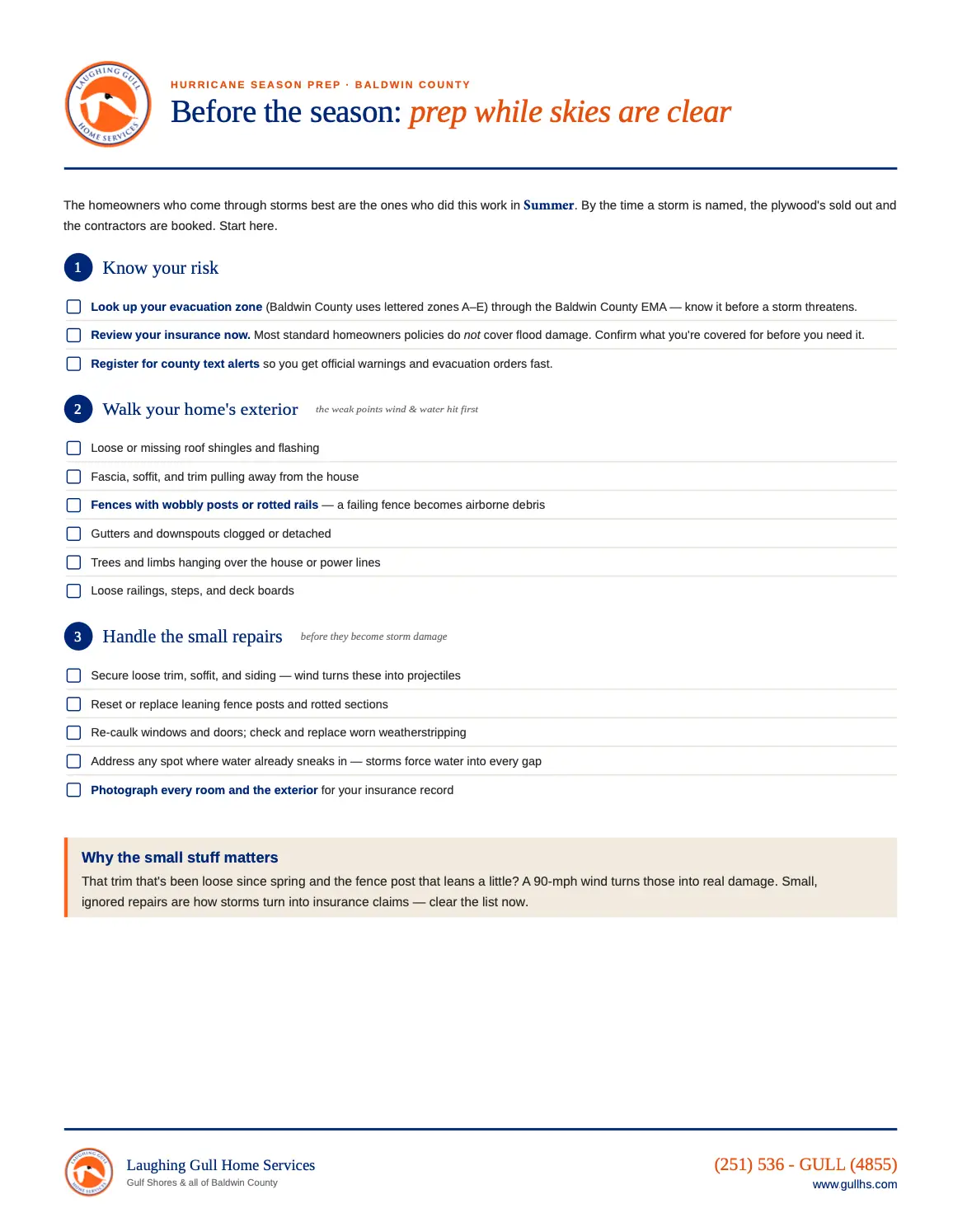
Before the season: prep while the skies are clear
The homeowners who come through storms best are the ones who did this work in June, not August.
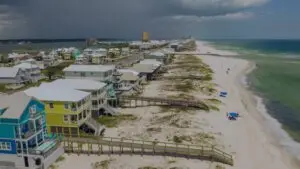
Know your evacuation zone. Baldwin and Mobile counties use a lettered evacuation zone system — Zone A through Zone E — based on storm surge vulnerability. Zone A areas, which include many beachfront and bayfront properties, are typically ordered to evacuate first. You can look up your zone through the Baldwin County Emergency Management Agency. Know it now, before a storm is bearing down and the roads are filling up.
Walk your home’s exterior
Look for the weak points wind and water exploit first:
- Loose or missing roof shingles and flashing
- Fascia, soffit, and trim that’s pulling away
- Fences with wobbly posts or rotted rails (a failing fence becomes airborne debris)
- Gutters and downspouts clogged or detached
- Trees and limbs hanging over the house or power lines
- Loose railings, steps, and deck boards
Handle the small repairs now
This is where most homeowners get caught. That trim that’s been loose since spring, the fence post that leans a little, the soffit with a gap — those are the things a 90-mph wind turns into real damage. Small, ignored repairs are how storms turn into insurance claims. If your to-do list has been sitting all summer, before hurricane season is the time to clear it.
Check your seals and moisture points
Gulf Coast homes already fight humidity year-round; a storm forces water into every gap you’ve got. Re-caulk windows and doors, check weatherstripping, and address any spot where water already sneaks in. And know this: most standard homeowners insurance does not cover flood damage — review your policy now, not after..
Document your home
Walk through with your phone and photograph every room, the exterior, and any big-ticket items. If you ever file a claim, this “before” record is worth its weight in gold.
When a storm is coming: the 3-to-5-day window
Meteorologists can usually see a storm’s path several days out. When one’s headed toward the Gulf, work down this list:
- Bring in or secure everything loose outside — patio furniture, grills, planters, trash cans, kids’ toys. In hurricane winds, these become projectiles.
- Board or shutter windows if you have the materials ready (another reason to prep early — plywood vanishes fast).
- Clear gutters and drains one more time.
- Charge devices, fill prescriptions, and build your supply kit. NOAA recommends at least three days of supplies; seven is safer for a major storm.
- Fill your car’s gas tank and any backup fuel while stations are open.
- Turn your fridge and freezer to their coldest settings in case of extended power loss.
- If you’re in an evacuation zone and an order is issued — go. Property is replaceable.
After the storm: the part nobody prepares for
This is where Baldwin County homeowners lose the most money — and it’s the phase almost no checklist covers well.
Don’t rush back
Follow official re-entry guidance from Baldwin County Emergency Management. Do not return until authorities have lifted the evacuation order and declared roads safe.
Document everything before you touch it
Document all damage with photographs and video before beginning any cleanup. This documentation is essential for your insurance claim. Then contact your insurer promptly.
Watch for the damage you can’t see
After a storm, homeowners fixate on the obvious — the downed tree, the missing shingles. But the expensive problems are often hidden: water that got behind walls, under flooring, or into the crawl space. On the Gulf Coast, that trapped moisture becomes mold within days. If your home took on any water, a mold inspection after the storm can catch a problem while it’s still small — before it spreads through the walls.
And this is the big one — beware post-storm contractor fraud
Every hurricane season, the same thing happens: unlicensed contractors flood storm-affected areas following a hurricane. They knock on doors, demand cash up front, do shoddy work or none at all, and disappear. Vulnerable, stressed homeowners are the target. Always verify licensing through the Alabama Licensing Board for General Contractors before signing any agreement — and be deeply suspicious of anyone who shows up uninvited, pressures you to decide fast, or won’t put things in writing.
The safest move after a storm is the one you make before it: know who you’re going to call. A licensed, insured, local company you already trust — not a stranger in an unmarked truck.
Your before-and-after storm partner in Baldwin County
At Laughing Gull Home Services, we’re Gulf Shores locals. We ride out the same storms you do, and we’re here in the calm before and the cleanup after.
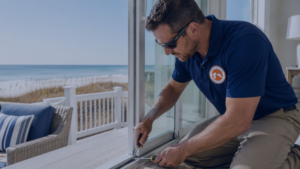
Before the season, we handle the home repairs that turn into hazards in high wind — loose trim, failing fences, soffit gaps, and the punch list you’ve been meaning to get to. For snowbirds and second-home owners who leave before the peak, we can prep and secure your home so it’s not facing the season empty and unwatched. And after a storm, we’re the licensed, insured local team you can trust — for repairs and for mold remediation when water finds its way in.
No storm-chasers. No cash-up-front strangers. Just the same dependable people, before and after.
Get ahead of the season — book a pre-season home check or call us at (251) 536-GULL (4855).
FAQs – The Most Frequently Asked Questions About Hurricane Preparedness
When should I start preparing my Baldwin County home for hurricane season?
Start before the season begins on June 1 — ideally in late spring. The most important prep (roof and fence repairs, tree trimming, sealing moisture points, reviewing insurance) should be done while skies are clear, because supplies, contractors, and time all vanish once a storm is named. Peak activity runs mid-August through mid-October, so June and July are your window.
What home repairs matter most before a hurricane?
Focus on anything that can fail in high wind or let water in: loose roof shingles and flashing, wobbly or rotted fencing, detached soffit and fascia, clogged gutters, overhanging tree limbs, and unsealed windows and doors. Small, deferred repairs are the ones that become major storm damage.
How do I know if I have hidden storm damage?
After a storm, the most costly damage is often invisible — water behind walls, under floors, or in the crawl space. Warning signs include a musty smell, discoloration, buckling floors, or worsening humidity indoors. If your home took on any water during a storm, a professional moisture and mold inspection can catch problems early.
How do I avoid contractor scams after a hurricane?
Never hire a contractor who shows up uninvited, demands cash up front, or pressures you to sign immediately. Verify licensing through the Alabama Licensing Board for General Contractors, get everything in writing, and — best of all — line up a trusted, licensed local company before the season so you’re never making that decision under pressure.
Do you help snowbirds prepare homes they leave for the summer?
Yes. Many second-home and seasonal owners leave Baldwin County before hurricane season peaks. We prep and secure these homes so they’re not facing the season empty and unwatched, and we’re here locally if something needs attention while owners are away.
Free Download
Get the printable hurricane prep checklist.
Everything on this page, in a clean two-page checklist you can print, stick on the fridge, and check off as you go. Drop your name and email and we'll send it straight to your inbox — plus the occasional seasonal home tip for Gulf Coast homeowners. No spam, ever.
We'll only email you occasionally and never share your info.